Why Fresh Food Can Play an Important Role in Your Dog's Diet
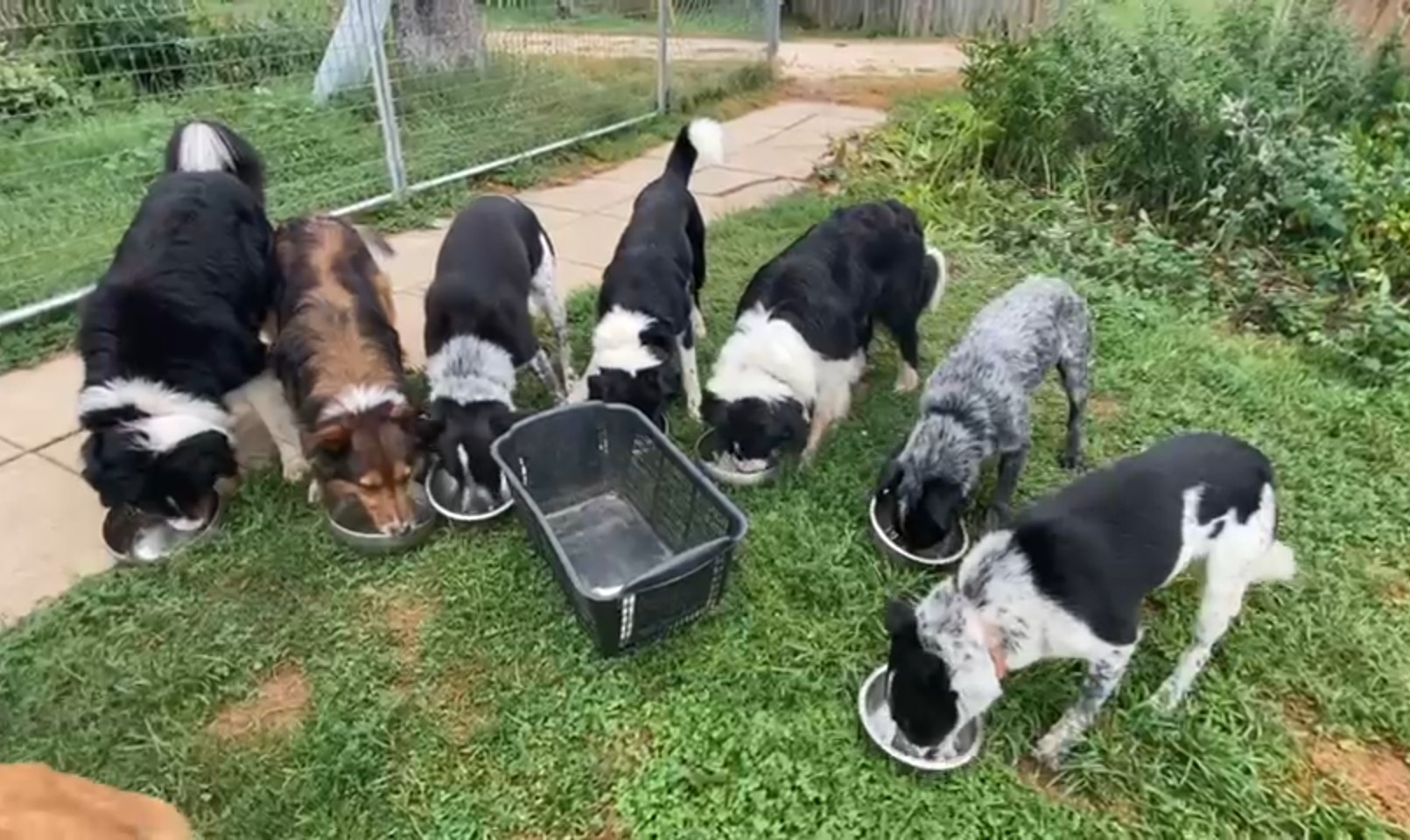
The food we feed our dogs is one of the biggest investments we can make in their overall health. While many dogs eat commercial kibble, it's worth asking whether their diet could benefit from adding occasional fresh and whole foods. From energetic puppies to senior companions, every dog deserves nutritious meals that help them look and feel their best.
Please note that the information included in this blog post is taken from my own personal experience and the following foods are occasionally added to my dogs diets. Every dog is unique so make sure to consult your veterinarian first before making drastic changes to your pets diet.
Fresh Food Adds Variety & Nutrition
Commercial dog food is designed to be convenient, but incorporating fresh ingredients (when appropriate) can add variety, texture, and additional nutrients to your dog's meals.
Dog-safe additions may include:
- Plain yogurt or kefir (for dogs that tolerate dairy)
- Cooked carrots
- Plain pumpkin
- Cooked lean meats (with no seasoning)
- Cooked eggs
Consult your veterinarian if your dog has allergies or medical conditions, and always make sure to introduce new foods gradually.
Dogs Thrive on a Balanced Diet
Dogs are natural omnivores, meaning they benefit from a balanced diet containing protein, healthy fats, vitamins, and minerals.
If you're considering preparing meals at home or moving away from commercial food, it's important to ensure your dog still receives all the nutrients they need. Homemade diets should be carefully balanced, ideally with guidance from a veterinarian or pet nutritionist.
Avoid Seasoned Human Foods
One of the easiest ways to support your dog's health is by avoiding seasoned table scraps.
Foods prepared for people often contain ingredients that aren't suitable for dogs, including salt, garlic, onion and spicy seasonings.
If you're cooking meat for your dog, keep it plain and avoid adding seasoning or sauces.
Listen to What Your Dog Is Telling You
Changes in appetite, vomiting, diarrhea , or eating unusual things like excessive grass or dirt can sometimes be signs that something isn't right.
These symptoms are worth paying attention to, especially if you have changed their diet. If symptoms continue or worsen, consult your veterinarian to rule out underlying health concerns.
Supporting Senior Dogs Through Nutrition
As dogs age, their nutritional needs often change with them. Some senior dogs may benefit from softer foods, added moisture, or carefully selected fresh ingredients that are easier to chew and digest.
Every senior dog is different, so regular veterinary checkups can help determine the best diet for your furry friend.
Conclusion: Every Dog Deserves Individual Care
There's no single "perfect" diet for every dog. Some do well on high-quality kibble, others do well with a combination of commercial food and fresh ingredients, and some require specialized diets for medical conditions.
The most important goal is providing balanced nutrition that meets your dog's individual needs while keeping them healthy, active, and happy.
I’ve seen firsthand how thoughtful nutrition and loving care can improve a dog's quality of life. Whether you're adding a spoonful of fresh vegetables, choosing a higher-quality food, or working with your veterinarian to create the right feeding plan, every positive step you take helps support your dog's long-term health.